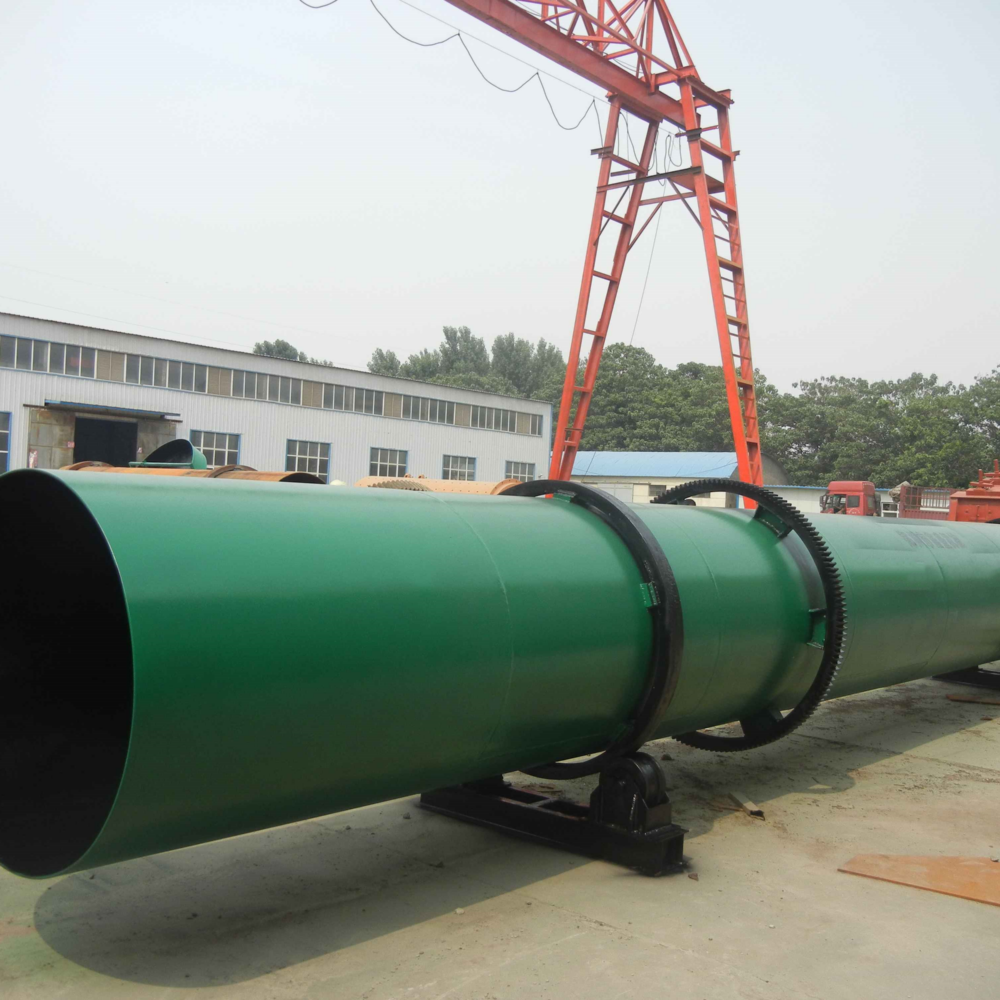
In a country where agriculture contributes approximately 1.5% to the GDP, and with over 60% of its land utilized for farming, it is astonishing to note that Sweden’s agricultural sector relies heavily on advanced machinery. Among these, fertilizer machines play a pivotal role in enhancing crop yields and ensuring sustainable practices.
The Distinct Features of Fertilizer Machines in Sweden
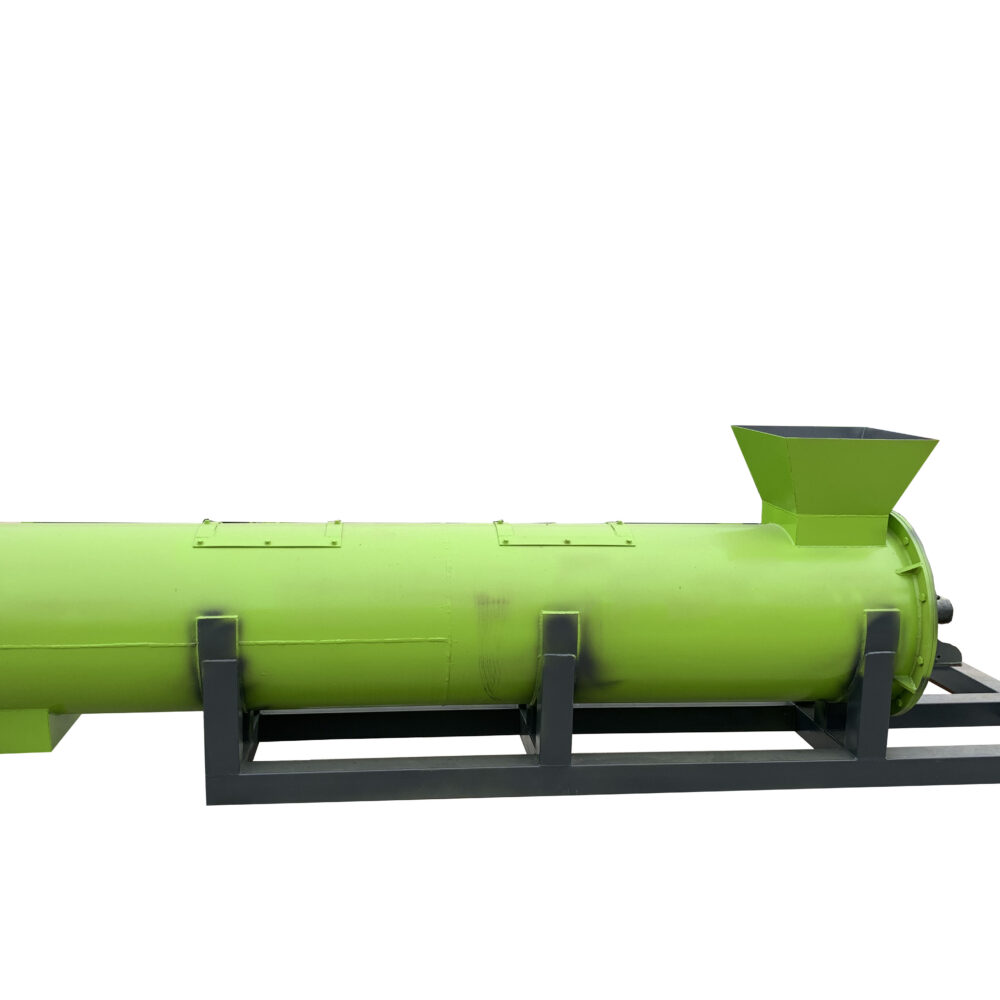
Xincheng has established itself as a leading provider of fertilizer machines tailored specifically for the Swedish market. One notable characteristic is their commitment to sustainability; Xincheng‘s machines are designed to minimize waste while maximizing efficiency. This aligns perfectly with Sweden’s ambitious environmental goals, including reducing greenhouse gas emissions by at least 50% by 2020 compared to levels from 1990.
Find more about Dynamic Automatic Mixing and Batching Machine.Moreover, Xincheng incorporates cutting-edge technology into their equipment. For instance, precision application systems allow farmers to apply fertilizers more accurately than ever before—reducing excess usage and preventing runoff into local waterways. This not only conserves resources but also protects Sweden’s pristine natural environment.
Additionally, Xincheng offers robust support services that cater specifically to Swedish farmers’ needs. Their machines are built for durability against harsh weather conditions typical in Scandinavia while providing user-friendly interfaces that require minimal training—a crucial factor given the aging farmer demographic in rural areas.
Conclusion
The integration of sophisticated fertilizer machines like those from Xincheng represents a significant advancement within Sweden’s agricultural framework. By prioritizing sustainability and technological innovation, these machines not only enhance productivity but also align with national efforts towards eco-friendliness and resource conservation. As we move forward into an era increasingly defined by climate challenges and food security concerns, it becomes clear that investing in such technologies will be vital for maintaining both economic viability and environmental integrity within this critical sector.