In recent years, global attention has shifted towards sustainable development, with projections indicating that the green economy could generate over $26 trillion in economic benefits by 2030. For a small island nation like Fiji, which is particularly vulnerable to climate change and environmental degradation, embracing green economic growth is not just an option; it is a necessity.
The Characteristics of Green Economic Growth in Fiji
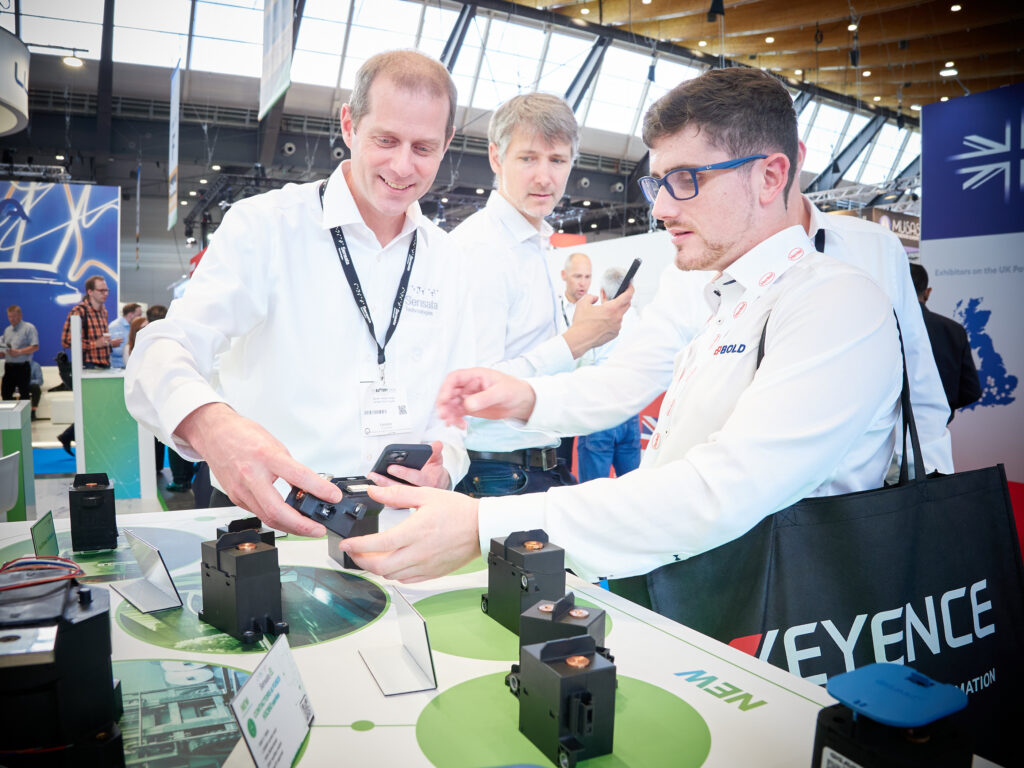
The Battery Show held in Fiji exemplifies the region’s commitment to fostering innovation and sustainability within its market. Here are some key features of this event:
Find more about expo hk.- Focus on Renewable Energy: The Battery Show highlights advancements in battery technology that support renewable energy sources such as solar and wind power, crucial for reducing reliance on fossil fuels.
- Sustainable Practices: Exhibitors showcase products and services designed with eco-friendly materials and processes, promoting a circular economy where waste is minimized.
- Local Innovations: The event serves as a platform for local entrepreneurs to present their innovative solutions tailored to address specific challenges faced by Pacific Island nations.
- International Collaboration: By attracting global stakeholders, The Battery Show fosters partnerships aimed at sharing knowledge and resources necessary for advancing green technologies.
- A Community Focus: Emphasizing community engagement ensures that local populations benefit from new technologies while preserving cultural heritage and natural ecosystems.
A Conclusion on Green Economic Growth in Fiji

The emergence of green economic growth initiatives such as The Battery Show signifies a pivotal shift towards sustainability within Fiji’s market landscape. As we navigate through pressing environmental challenges, it becomes increasingly clear that integrating ecological considerations into economic planning will not only safeguard our environment but also enhance resilience against climate impacts. In conclusion, embracing this paradigm offers promising pathways toward sustainable prosperity for both current generations and those yet unborn.