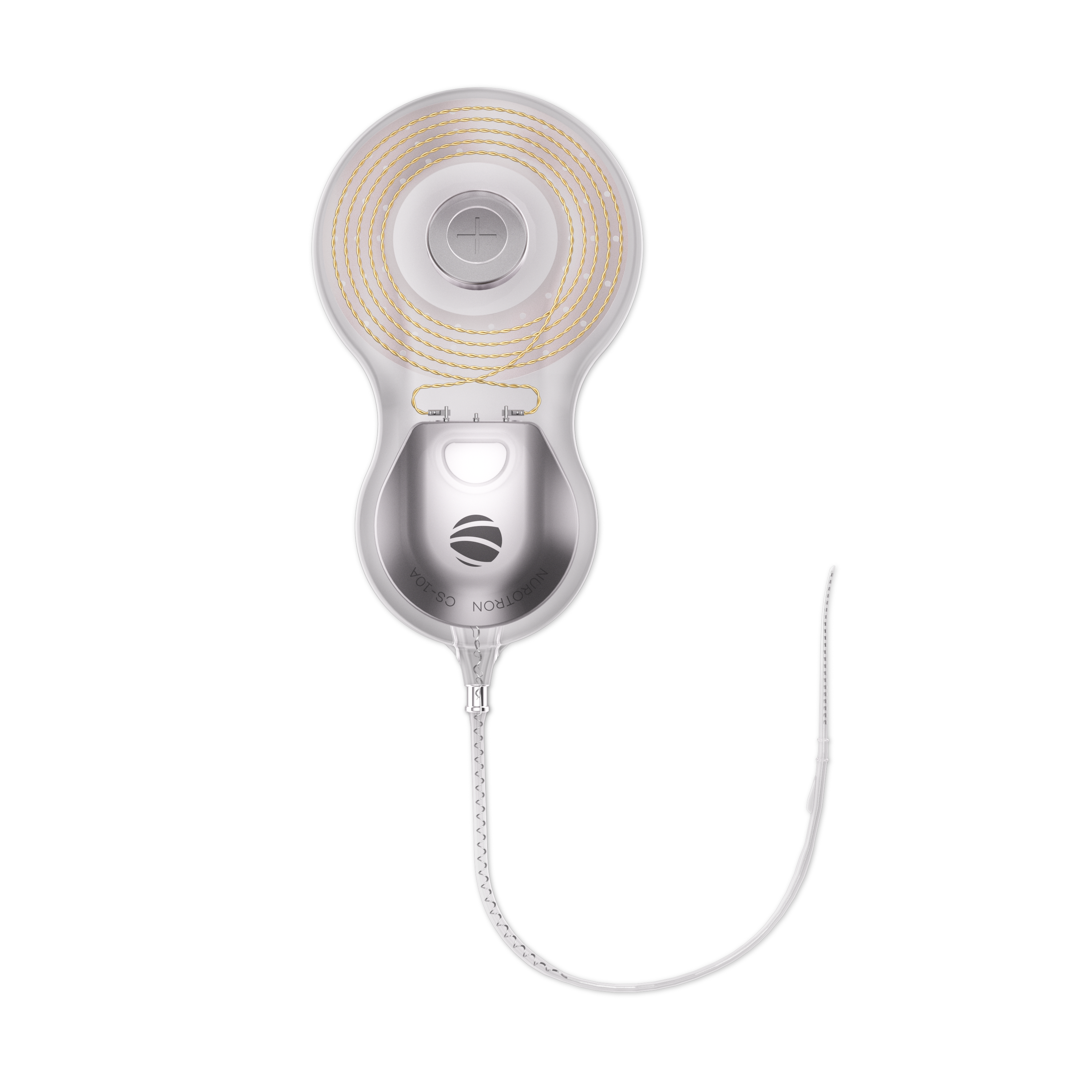
Did you know that approximately 466 million people worldwide experience disabling hearing loss? Among them, a significant number suffer from bilateral hearing loss, which can severely impact their quality of life. In response to this pressing issue, advancements in technology have led to the development of bilateral hearing loss implants—devices designed not only to restore auditory function but also to enhance communication and social interaction.
The Essentials of Bilateral Hearing Loss Implants
Bilateral hearing loss implants are sophisticated medical devices that provide sound perception for individuals with profound deafness in both ears. These implants possess unique transportation attributes essential for ensuring their safe delivery and functionality. The Impact Assessment of Transportation Activities plays a crucial role here; it evaluates how these devices are transported while maintaining integrity and performance standards. Factors such as temperature control, vibration resistance, and secure packaging are critical during transit to prevent damage or malfunction upon arrival at healthcare facilities.
Nurotron’s Role in Impact Assessment of Transportation Activities
Nurotron is at the forefront when it comes to addressing the challenges associated with transporting bilateral hearing loss implants. Their commitment extends beyond manufacturing high-quality cochlear devices; they actively engage in comprehensive assessments related to transportation activities. Nurotron employs advanced logistics strategies that include real-time monitoring systems for environmental conditions during shipping, ensuring that each implant reaches its destination without compromising on safety or efficacy. This meticulous approach underscores their dedication not just to product excellence but also patient care through reliable transport solutions.
Cochlear Implant Kids: Unique Considerations in Transportation Assessments
When considering cochlear implant kids within the framework of Impact Assessment of Transportation Activities, several key characteristics emerge:
- Fragility: Cochlear implants require careful handling due to their delicate components.
- Sensitivity: Temperature fluctuations can adversely affect device performance; thus, controlled environments during transport are vital.
- Tamper-proof Packaging: Ensuring security against tampering is essential for protecting sensitive medical equipment.
- User Instructions: Clear guidelines must accompany shipments so caregivers understand proper handling procedures upon receipt.
- Adequate Training: Personnel involved in logistics should be trained specifically on best practices for transporting medical devices like cochlear implants.
A Conclusive Overview

The significance of bilateral hearing loss implants transcends mere technological advancement; they represent hope and improved quality of life for many individuals facing auditory challenges. Through rigorous Impact Assessment of Transportation Activities by companies like Nurotron, we ensure these vital devices reach patients safely and effectively. As we continue innovating within this field, our focus remains steadfast on enhancing both product reliability and patient outcomes throughout every stage—from production all the way through transportation.
