Introduction — a quick flight forward
Have you ever wondered what a workshop will look like in fifty years—clean, humming, and oddly quiet as machines breathe for us? I do; and I picture air scrubbers standing guard like silent sentinels. In that future, the laser cutter fume extractor will be as vital as power converters and fans, silently parsing the smoke from your cuts into harmless streams (weirdly comforting, right?). Recent studies show that poor fume control can raise particulate counts by multiples in small shops—numbers that make me wince. So what really separates a safe, efficient extractor from the rest of the pack?
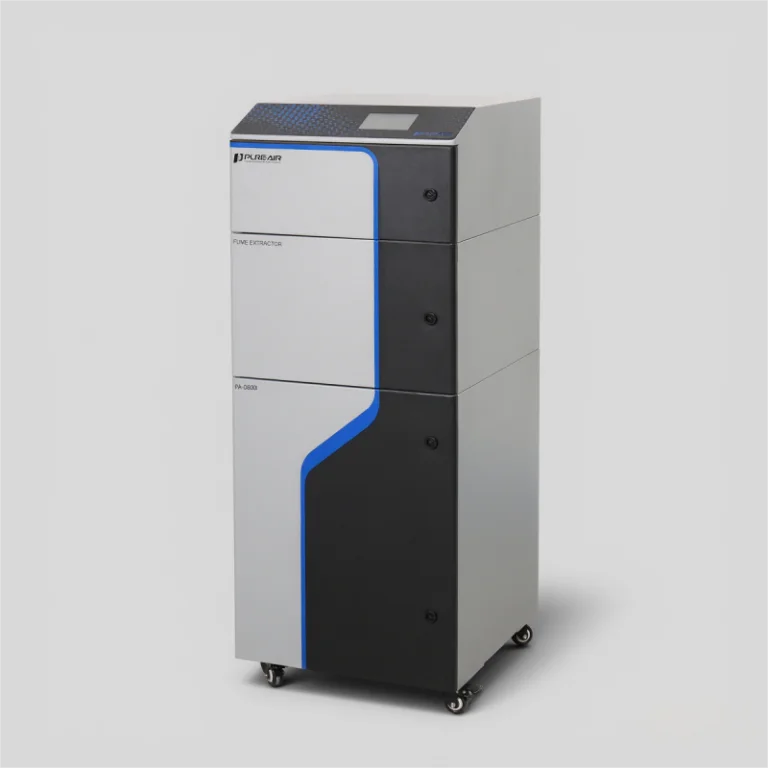
Let me take you through this with a bit of speculation and some plain facts. I’ll sketch a brief scene, then pull apart the tech. We’ll talk filters, airflow rate, and why a clever control board matters. By the end, you should feel less like you’re guessing and more like you’re choosing with purpose—next up: where most systems trip up and what users silently tolerate.
Why common solutions fail: the hidden pains and practical flaws
best fume extractor for laser cutting is a phrase I keep coming back to, because the market answer isn’t always the workshop reality. I’ve seen cheap units promise HEPA-level cleanup but fail because the ducting choked, or the fan couldn’t sustain the rated airflow rate under load. That gap between spec sheet and day-to-day use is where most problems live. Look, it’s simpler than you think: a filter stack is nothing without proper fan sizing and smart control logic.
Directly put, many traditional setups ignore three stubborn facts. First, particulate composition varies wildly—metals, acrylic vapors, or MDF dust demand different filtration media like activated carbon or specialized HEPA filters. Second, static specs lie if you don’t account for backpressure from long ducts. Third, maintenance is a human problem: clogged pre-filters or delayed cartridge changes turn a good extractor into a factory smoker. I’ve fixed systems where technicians blamed the filters when the real issue was a failing motor controller or weak power converters. That’s frustrating and avoidable.
So what’s the user pain—really?
Users tell me they tolerate noise, they accept lower throughput, and they postpone filter swaps because downtime costs money. Meanwhile, invisible gases slip through. These are not glamorous problems. They’re small compromises that add up to risk. If you’re choosing, test for true airflow under real conditions, check filter fitment, and ask how the unit signals maintenance—because those little UX details make a huge difference.
New principles and practical steps forward
Now let’s look forward. I’ll explain core principles that new designs should follow—and sometimes do. First principle: match filtration to the job. That means pre-filters for coarse capture, HEPA filters for particulates, and activated carbon for VOCs. Second: design for dynamic airflow. Modern extractors benefit from variable fan speed and basic control algorithms—edge computing nodes aren’t strictly necessary here, but smart sensors that monitor differential pressure and adjust fan curves make a real-world difference. I want to stress: this isn’t science fiction—these are practical advances you can find in today’s better units.
Next, consider modular maintenance. Quick-change filter cartridges and clear service alerts reduce the human error I keep mentioning. That’s a systems-thinking approach: filament-level pieces (the filters) must pair with robust controls (fan controllers, simple power converters) and intuitive UI so people actually change things when they should. — funny how that works, right? In practice, a machine that nudges you to swap a filter at 80% life will keep your shop cleaner than a unit with a vague light that only blinks when it’s almost too late.
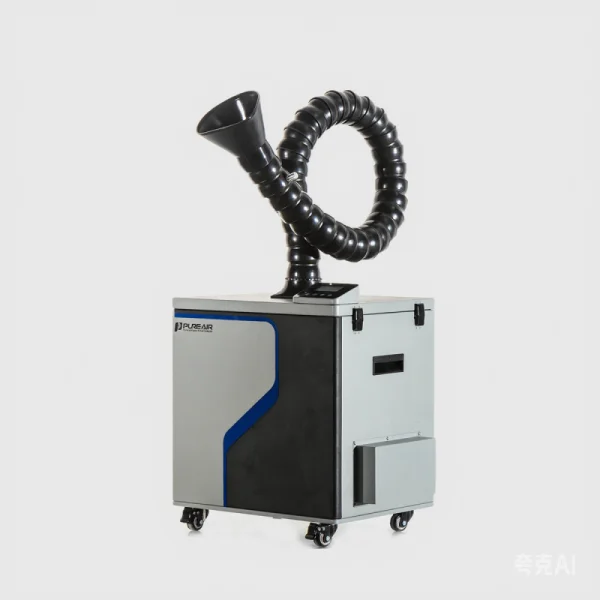
What’s next for buyers and makers?
Here’s my take: evaluate systems by three simple metrics before signing off. First—true airflow rate under load, measured with the ducts you’ll use. Second—filter strategy: does the extractor mix HEPA and activated carbon in a sensible sequence, and are cartridges easy to replace? Third—maintenance signaling and build quality: clear alerts, smart fan control, and durable motors beat slick marketing every time. Those metrics focus on results you can measure, not promises you can’t.
To wrap up, I’ve seen workshops transformed when teams stop treating extractors as incidental. They pick units with sensible filtration stacks, reliable fans, and clear maintenance paths. That’s how you reduce exposure without turning your shop into a science lab. If you want a practical model to start from, check product lines that emphasize these principles—like the ones from PURE-AIR. I’ll keep testing and reporting; you should test too, and trust what your senses tell you in the shop.