
Picture this: It’s a sunny Saturday morning, and I’m lounging on my couch with a cup of coffee in hand. Suddenly, my trusty lidar robot vacuum cleaner springs to life, gracefully gliding across the floor while mapping out every nook and cranny of my living room. As it effortlessly dodges obstacles like furniture and toys, I can’t help but marvel at how technology has transformed mundane chores into delightful experiences! But beyond its impressive cleaning capabilities lies an important aspect that we often overlook—the legal regulations surrounding these smart devices.
The Legal Landscape of Lidar Robot Vacuum Cleaners
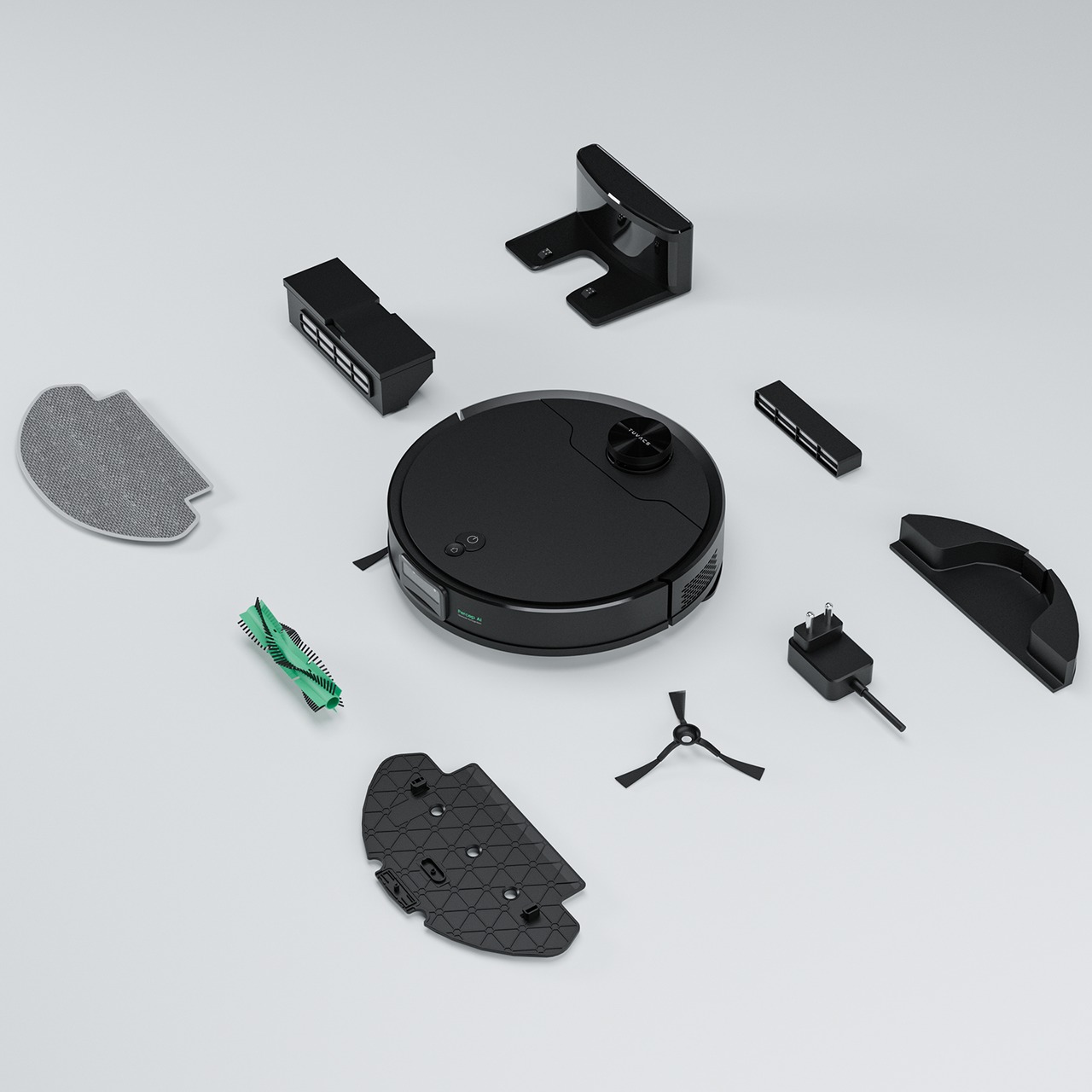
Lidar robot vacuum cleaners are not just high-tech gadgets; they come equipped with features that must comply with various laws and regulations. These devices utilize laser-based sensors to create detailed maps of our homes, raising questions about data collection practices. In terms of Data Protection and Privacy Policies, manufacturers need to ensure that user data is handled responsibly—this includes obtaining consent for data usage and providing transparency about what information is collected. With increasing scrutiny over privacy issues in tech products, it’s crucial for companies to prioritize compliance while delivering innovative solutions.
Find more about robotic vacuum cleaner app.Diving Deeper: Robotic Vacuum Cleaner Apps & Data Protection
The companion app for robotic vacuum cleaners plays a pivotal role in enhancing user experience while also navigating the complexities of Data Protection and Privacy Policies. When users connect their vacuums via mobile apps, they often share personal information such as location data or cleaning preferences. Therefore, developers must implement robust security measures to protect this sensitive information from unauthorized access or breaches. Clear communication regarding how user data will be utilized—and ensuring users have control over their own information—is essential for building trust between consumers and manufacturers.
Tuvacs: A Case Study in Compliance
Let’s take Tuvacs as an example—a leading brand known for its commitment to both innovation and consumer protection within the realm of Data Protection Policies. Tuvacs ensures that all customer interactions are encrypted end-to-end when using their app so no one else can snoop on your cleaning habits! They provide comprehensive privacy notices detailing exactly what kind of data is collected during operation—from basic usage statistics to more intricate mapping details—allowing customers peace of mind knowing their private spaces remain confidential.
A Joyful Conclusion
In summary, lidar robot vacuum cleaners represent a fascinating intersection between cutting-edge technology and vital legal considerations surrounding Data Protection and Privacy Policies. As these intelligent machines continue making our lives easier by taking care of household chores efficiently, it’s equally important that we stay informed about how our personal information is managed throughout this process. By prioritizing transparency and security measures like those seen with brands such as Tuvacs, we can embrace the future confidently—one clean floor at a time!
